



Those who have been in the industry for a long time, especially those involved in animal husbandry or feed storage, have probably encountered this awkward situation: the feed hopper shows there is still half a ton of feed left, but it stops dispensing halfway through; or at the end of the month, when inventory is taken, the figures don't match up no matter how you calculate it, and the loss rate is alarmingly high.
In the past, people preferred to use level gauges to save time and estimate weight based on height. But these things are just too "unpredictable." If the feed density changes or the humidity is a little higher today, the data will become unreliable.
In recent years, the weighing tower system has finally clarified this confusing issue. Today, we'll take ZKHG's equipment as an example and, without getting bogged down in the details, discuss purely from a technical and practical perspective how this system transforms the "black box" into a "transparent library."
First, the principle is actually very "physical," not as mysterious as you think.
Many people think sensors are high-tech, but to put it simply, they are just like installing a "weighbridge" on each leg of the material tower.
The SM40-LT system from Zhongke Huigan works on a fairly straightforward principle. The material silo is supported by several legs, and they insert a high-precision weighing module under each leg. When the material becomes heavy, the leg presses down, causing a slight deformation in the strain gauge inside the sensor. This change in resistance leads to a change in the current signal.
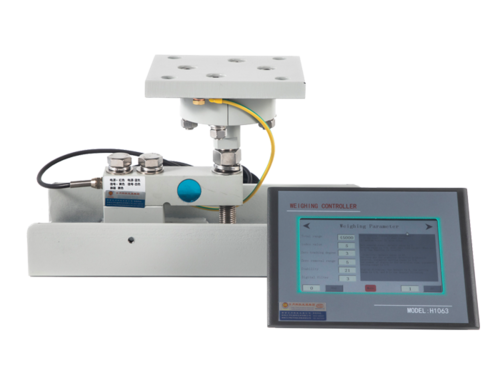
What's the accuracy of this thing? ±0.1% at full scale. What does that mean? For a ton of material, the error is only a pound or two, which is many times more accurate than relying on "piercing" or "tapping the can" to listen to the sound.
II. Installation: Don't be intimidated by the word "modification".
When many people hear that a system needs to be installed, their first reaction is: Does this mean we have to stop work? Does it mean we have to weld on the tank?
I think manufacturers have designed this to be quite user-friendly. Current solutions are mostly weld-free and require no modifications. It's that boot-like structure...
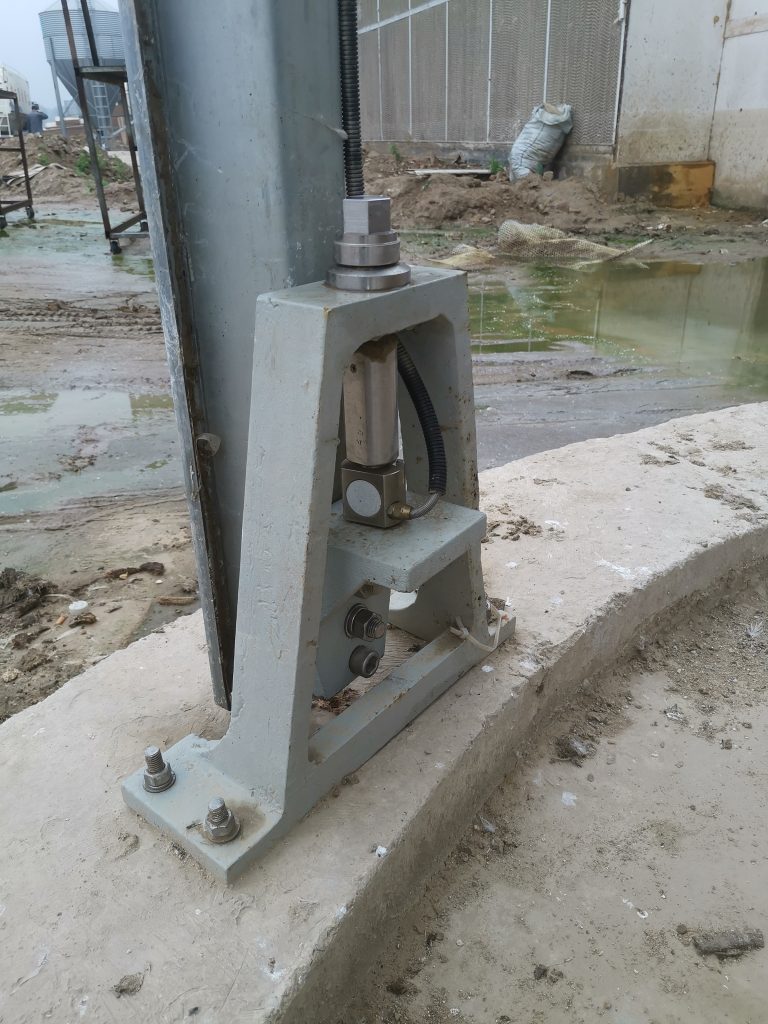
Simply raise the original support leg slightly and insert it, then tighten the screws to level it out, and you're done. Modules like those provided by Zhongke Huigan have an IP68 protection rating, which means they can withstand heavy rain and environments with flying feed dust without easily malfunctioning.
III. The "black technology" that truly solves pain points: anti-interference
This is the part I want to highlight.
Anyone who has raised pigs or chickens knows that the most annoying thing next to the feed tower is the vibration from the fan. In the past, some cheap systems would have the numbers on the gauges jumping around like an electrocardiogram when the fan was turned on, making them impossible to read.
The reason the current system works is because it incorporates dynamic filtering in its algorithm. Simply put, the instruments can identify that "this is the fan vibrating, not the material being consumed," filtering out invalid interference and only recording the actual consumption.
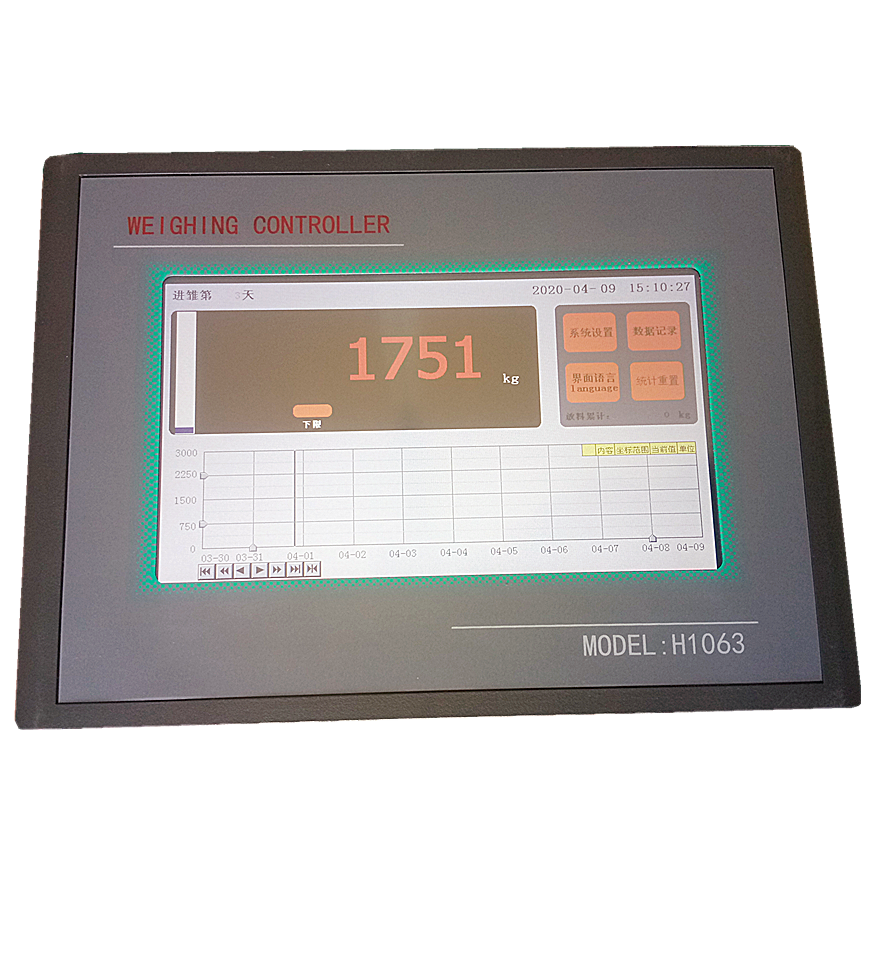
Another very useful feature is automatic feed/discharge recognition. Previously, workers often forgot to press the record button when feeding materials, leading to inconsistent data. The current instrument is quite smart; it uses the rate of weight change to determine whether material is being fed in or discharged, automatically recording and accumulating the data. Once this system is running, the finance department and the plant manager will have fewer hairs to lose during the month-end inventory.
IV. Is the hardware durable? Let's talk about that "protective shell".
In industrial production environments, the most important thing is to avoid sensors that are too delicate.
I recently took a look at the SM11B pressure sensor from Zhongke Huigan (which is also a commonly used core component for weighing towers).
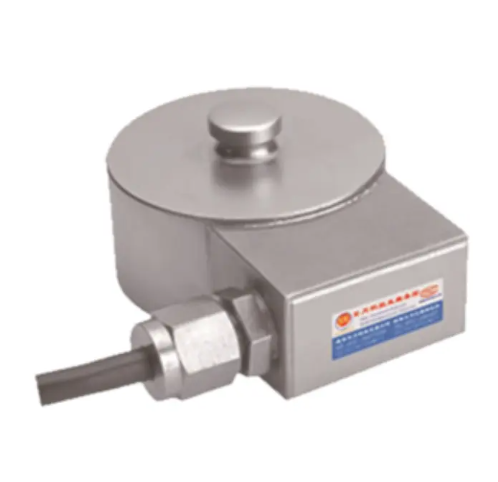
The design concept is quite interesting. It's a one-piece molding, with the outer shell and diaphragm welded together seamlessly. This design is particularly advantageous in chemical plants or dusty feed mills, offering corrosion and dust protection. Some models can even withstand instantaneous overloads; for example, if a vehicle accidentally bumps the outrigger, it won't be completely destroyed.
V. Conclusion: Was this a worthwhile investment?
Installing a weighing system on a feeding tower may seem like buying equipment, but in reality, it's buying peace of mind.
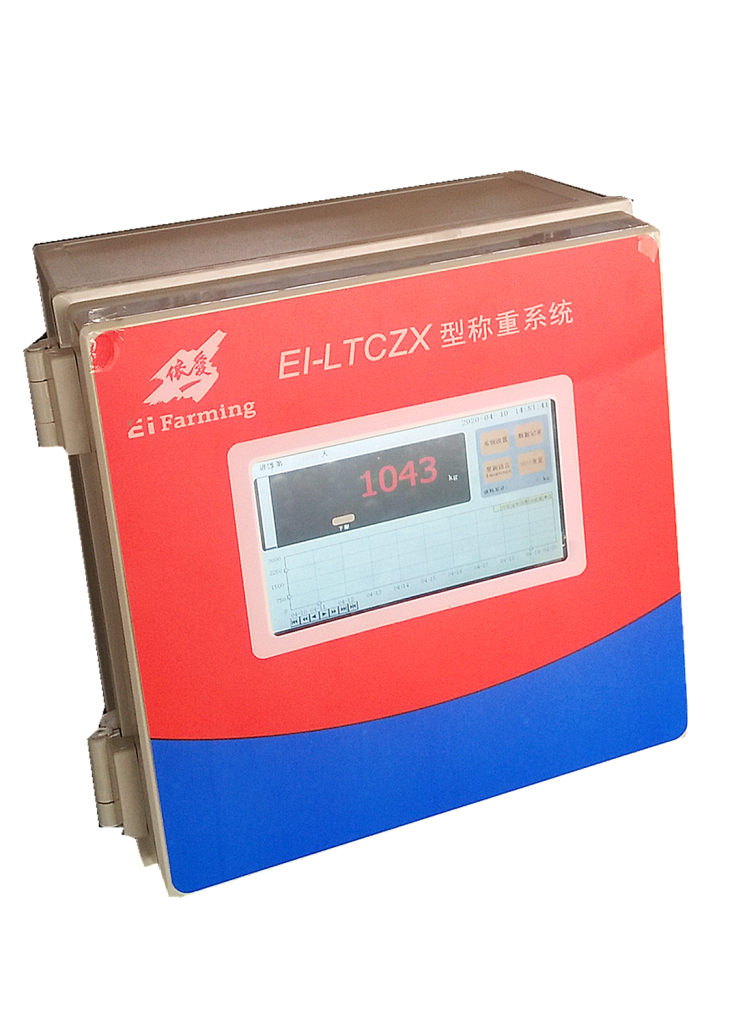
For production: You no longer need to send people to climb up and down to check the material level. You can just look at the control room and know how many tons are left and when to order more.
Regarding costs: Feed usually accounts for more than 701 TP3T of breeding costs. If the loss can be reduced by even 0.51 TP3T through precise measurement, the money saved in a year is enough to buy several sets of equipment.
Weighing of material silos is no longer some unattainable "cutting-edge technology," but rather an essential "infrastructure" for large-scale production. If you're still relying on tapping cans to determine inventory levels, perhaps it's time to consider giving your material silos a "digital checkup."