



-
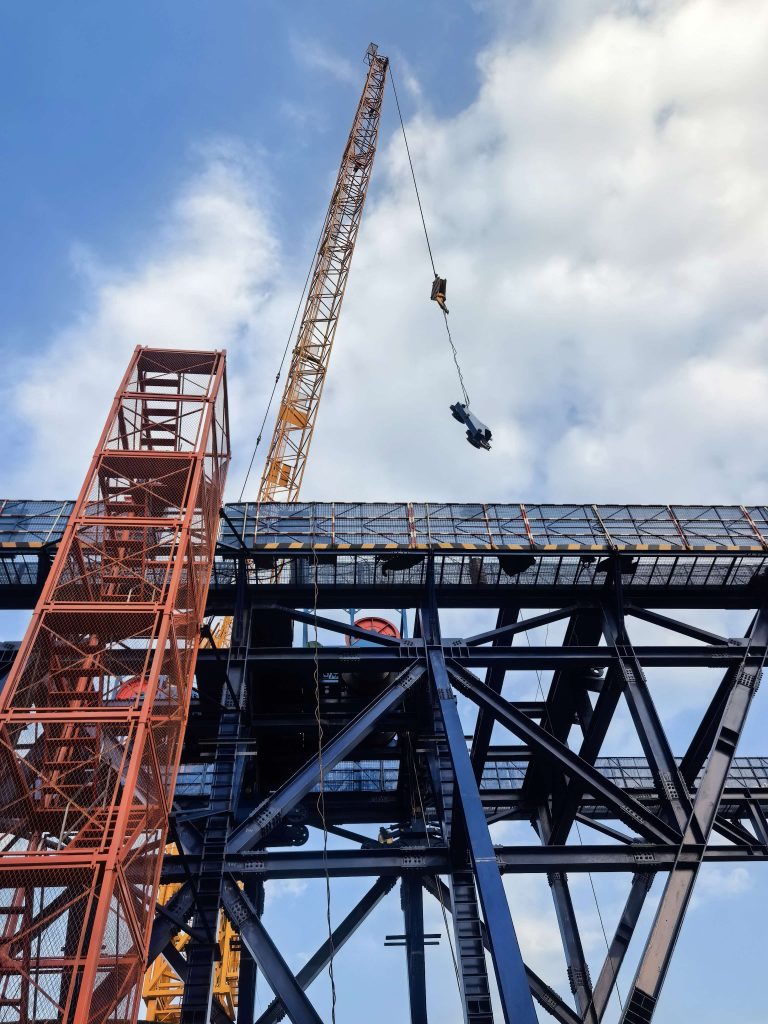
Zhongke Huigan's sensing technology aids in the construction of the Zhangjinggao Yangtze River Bridge.
Domestically developed high-precision force sensors safeguard world-class cross-river projects. Recently, the Zhangjinggao Yangtze River Bridge, a world-class cross-river project, reached a significant construction milestone with the successful crossing of the pilot cable across the Yangtze River, marking the bridge's official entry into the superstructure construction phase. In this national mega-project, Zhongke Huigan's independently developed series of high-precision force sensors played a crucial role in key construction aspects...
2026.09.14learn more -
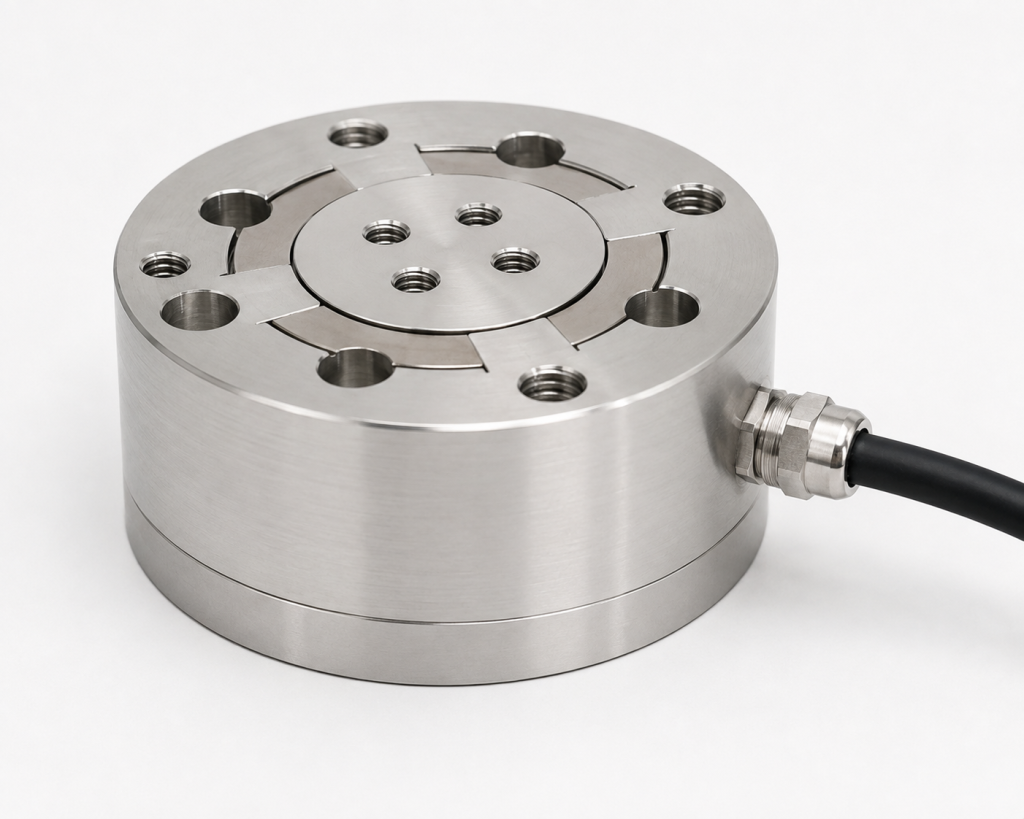
From "Multiple" to "How the Force is Received": The Upgrading Logic and Industrial Breakthrough of Six-Dimensional Force Sensors
In previous articles, we discussed sensors for axle pins, bearing housings, vehicle traction, plate tension, and elevator weighing. Regardless of their form, they essentially solve the same problem: how much force is applied in a certain direction? They are "one-dimensional." Six-dimensional force sensors are completely different. They don't answer "how much," but rather "how the force is applied..."
2026.08.10learn more -
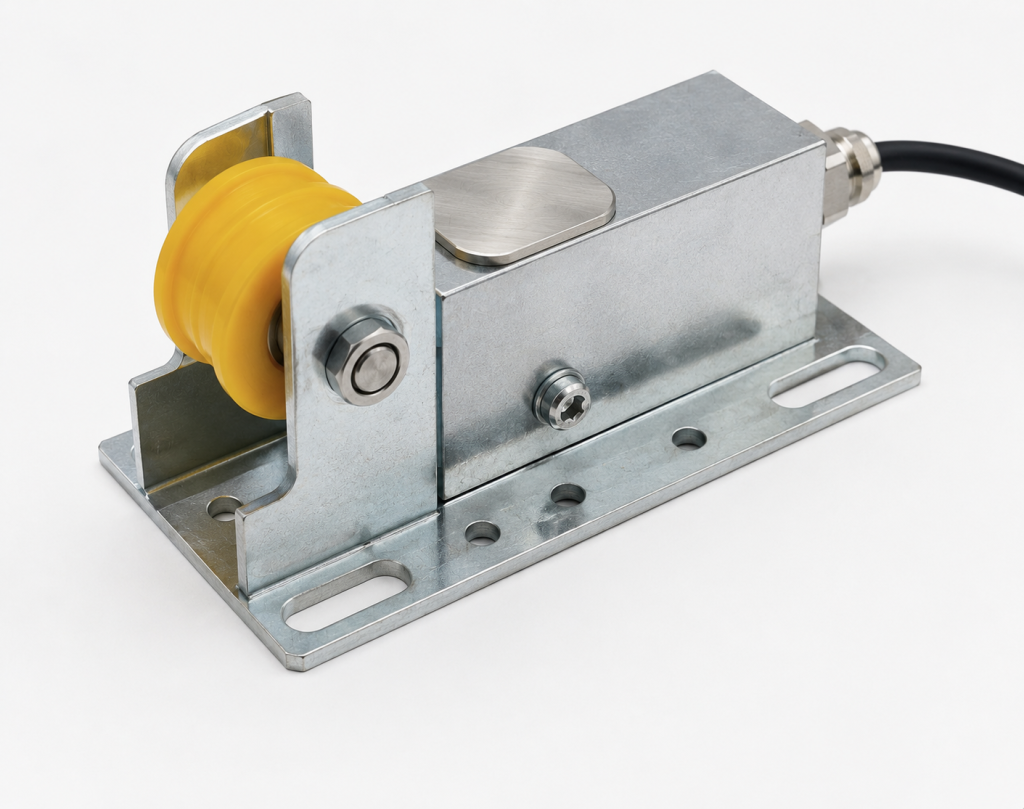
Elevator Sensing: Technological Breakthrough and Market Restructuring Driven by Existing Stock Retrofitting
In previous articles, we discussed axle pin sensors, bearing housing sensors, vehicle traction force sensors, and plate tension sensors, all of which essentially solve a single force measurement problem using a single sensor. Elevator sensors, however, are entirely different—they are not a single sensor, but rather a complex system comprised of multiple sensors including weighing, light curtain, encoder, leveling, vibration, and seismic sensors...
2026.08.10learn more -
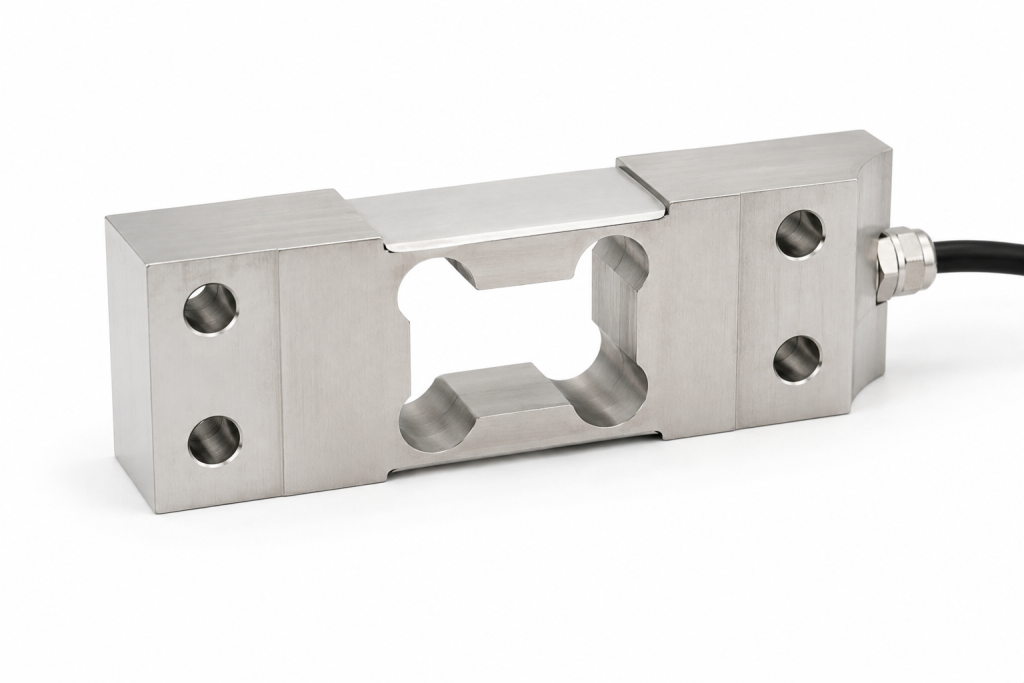
The elongated "回" character: Anti-off-center load logic and engineering evolution of plate tension sensors
In previous articles, we discussed how pin sensors are hidden inside pins to "transmit and measure force simultaneously," and how vehicle traction sensors are strung in the drawbar to "save the driver transmission time." The common logic of these sensors is to rely on an existing structural component—a shaft, rod, or seat—and then work on that component. Plate tension sensors, however, take a more...
2026.08.10learn more -
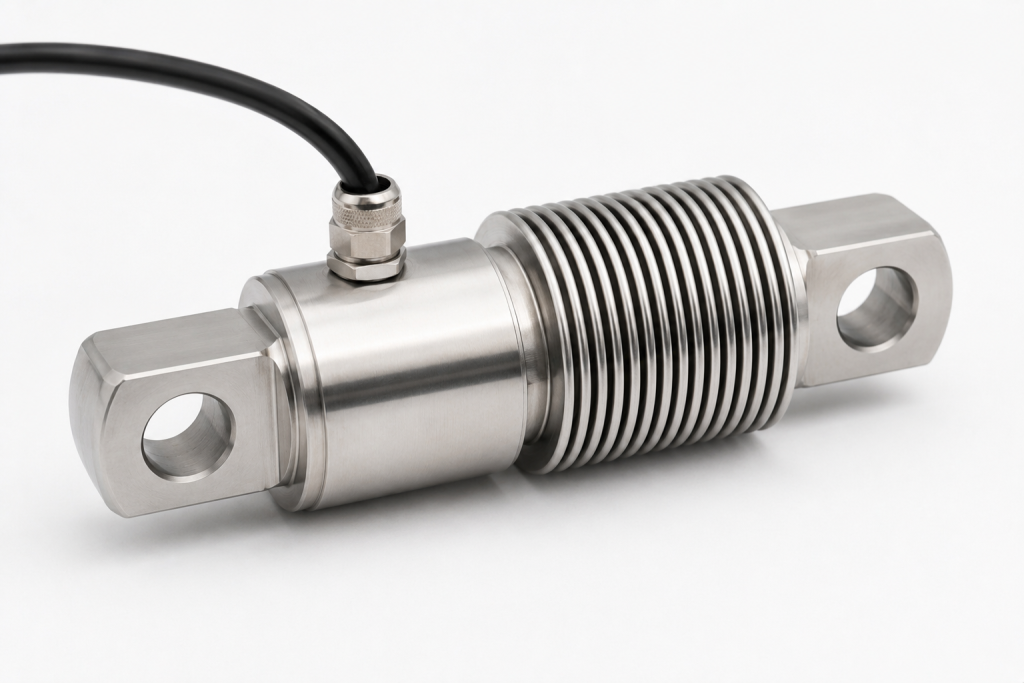
From stationary anchors to wheels: A dynamic force measurement revolution in vehicle traction sensors
Traction force, a physical quantity long underestimated in agriculture and construction machinery, is undergoing a fundamental revolution in its measurement. For decades, the industry has uniformly relied on a fixed concrete anchor testing system—measuring a peak ultimate tensile force while the equipment is stationary is considered sufficient. However, the emergence of vehicle-mounted traction force sensors is transforming this static, laboratory-based measurement method…
2026.08.07learn more -
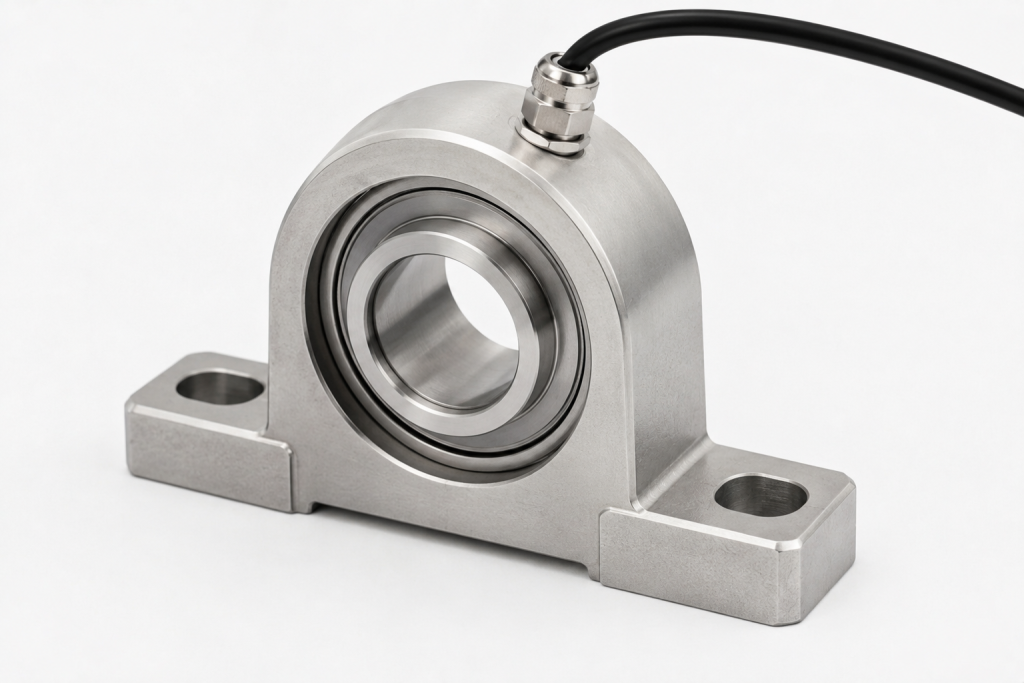
Flattened Mechanical Sentinels: The Invisible Measurement Philosophy of Bearing Housing Sensors
In the field of industrial force measurement, one type of sensor has chosen a completely different path. It's not strung on a rod, embedded in a shaft, or hung from a rope; instead, it lies quietly between a bearing housing and a base—like a flattened gasket, bearing the entire load from above, and then silently converting the force into an electrical signal. This is the bearing housing...
2026.08.07learn more -
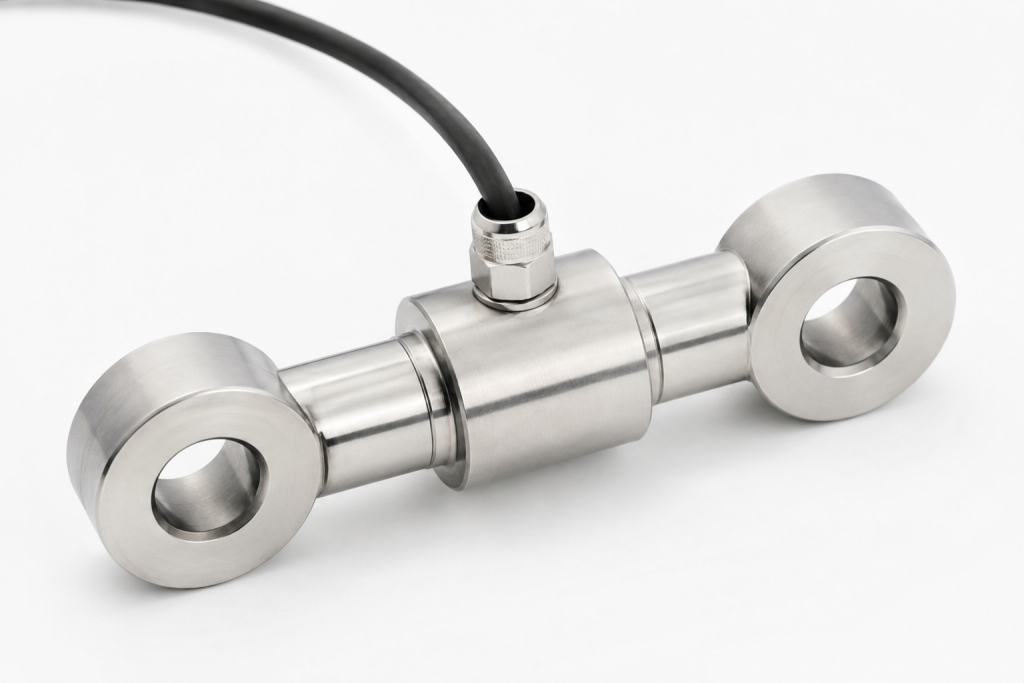
The "undercover" mission of a pin: the in-situ measurement logic of a pin sensor
In industrial settings, the pin is a component with a very low profile—pulleys rotate because of it, hooks connect because of it, and linkages hinge because of it. It silently bears shear forces, never making a sound. But there's a type of sensor that gives this pin, which originally only "transmits force," the added responsibility of "measuring force." It doesn't change the shape of the mechanical structure, nor does it add extra installation space; it simply...
2026.08.07learn more -
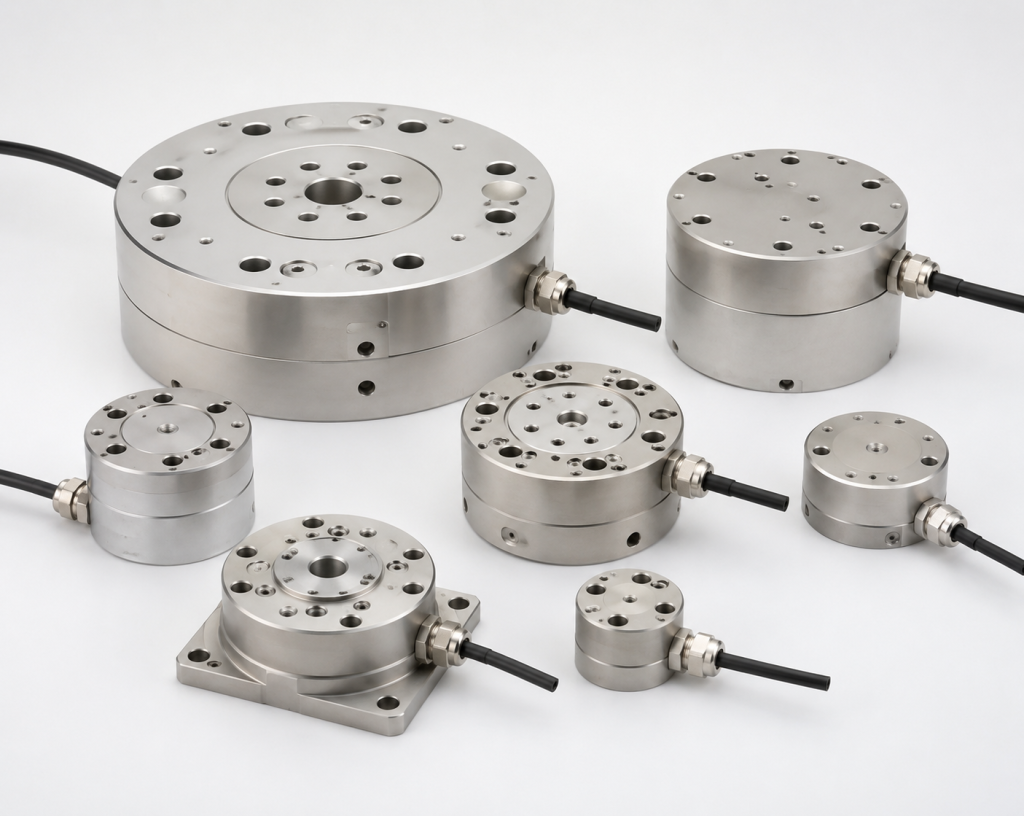
Six-dimensional force sensor: A complete analysis of its principles, technology, and applications
The six-dimensional force sensor is hailed as the pinnacle of force sensor technology, capable of simultaneously measuring all possible motions of an object in space, namely the force components (Fx, Fy, Fz) in three directions and the torque components (Mx, My, Mz) in three directions. Unlike traditional one-dimensional or three-dimensional force sensors, the six-dimensional force sensor can not only sense pushing and pulling forces, but also accurately...
2026.07.21learn more -
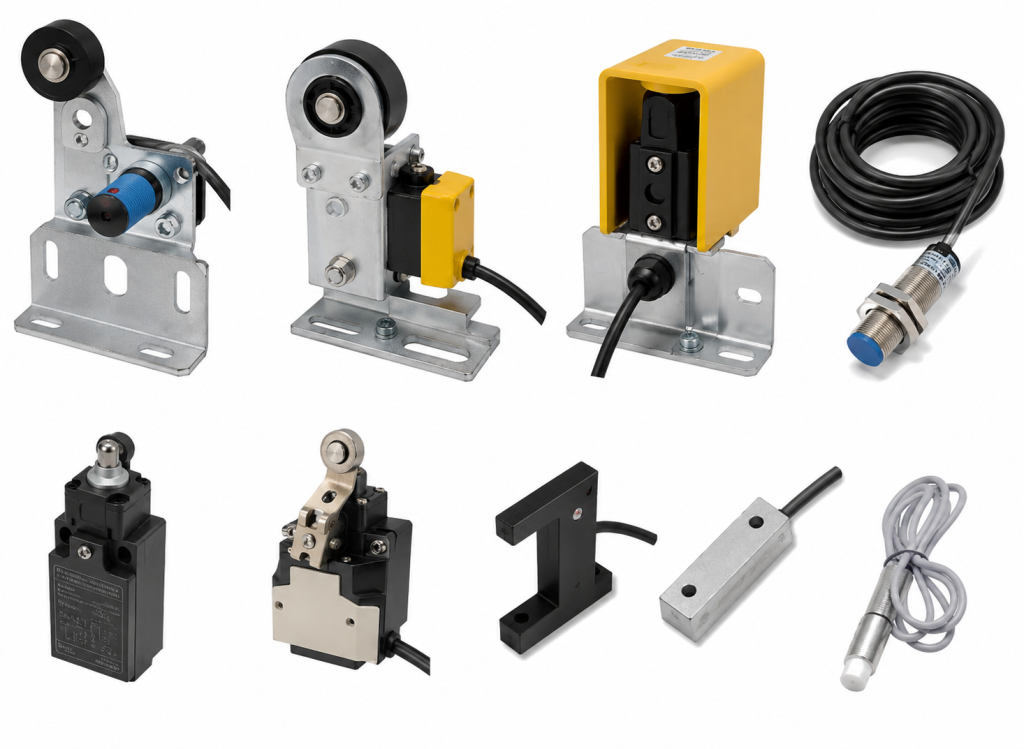
Elevator Sensors: A Comprehensive Analysis of Principles, Types, and Applications
Elevators, as an indispensable vertical transportation tool in modern buildings, are crucial for safety, comfort, and operational efficiency. In the intelligent evolution of elevators, sensors play the role of "nerve endings"—they perceive key parameters in real time such as speed, position, load, door status, temperature, and vibration, converting physical quantities into electrical signals to provide decision-making support for the control system...
2026.07.21learn more