



Several common technical challenges in valve torque testing
Having worked in valve testing for many years, torque measurement has always been an easily overlooked yet crucial aspect. Whether the torque is within a reasonable range directly affects the valve's proper operation, as well as its sealing performance and long-term service life. Based on my frontline experience, I'll discuss some common practical problems encountered in torque testing and their common industry solutions.
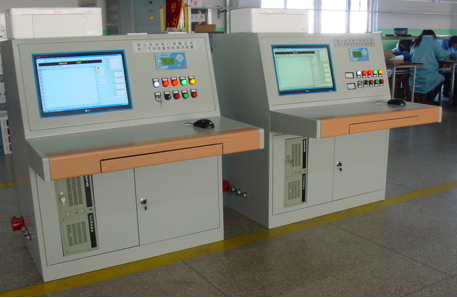
Problem 1: Poor consistency of test results
The torque values measured for the same valve at different times and by different personnel can sometimes vary significantly. This problem is usually not due to equipment failure, but rather to inconsistent testing conditions. For example:
The initial position of the valves was not standardized before testing.
Different test speed settings
Valve temperature or medium state changes
The key to solving these problems is to establish clear testing operating procedures and check environmental conditions before each test. Currently available torque testing systems, such as those from Anhui Zhongke Huigan Company, typically allow users to customize parameters such as test speed and direction, which helps to standardize testing conditions.
Question 2: Dynamic torque is difficult to capture
The peak torque of a valve at the moment of opening is often much higher than its torque during stable operation, and this peak value is the key to determining whether the valve is stuck. Traditional manual testing struggles to accurately capture this instantaneous value. Currently, professional torque testing systems used in the industry generally have high sampling frequencies, capable of recording torque changes over time, making the peak value readily apparent. Products from companies like Anhui Zhongke Huigan, for example, have sampling parameters that meet the dynamic torque capture requirements of conventional valves.
Question 3: Low efficiency in large-scale testing
When testing dozens or even hundreds of valves, manual testing is both too slow and physically demanding. There are two main ways to improve efficiency: first, use a testing system with automatic data recording capabilities to eliminate the need for manual reading and transcription; second, use quick-change fixtures to reduce valve assembly and disassembly time.
Question 4: Difficulty in data traceability
Manually recorded test data is prone to loss or errors, and difficult to retrieve later. Many modern testing systems come with built-in data storage capabilities, allowing users to query historical records by time, batch, model, and other criteria. This is an important point to consider when selecting a system.
Several indicators worth paying attention to when selecting a model
If you are considering purchasing professional torque testing equipment, the following parameters are worth comparing:
Torque measurement range: Does it cover the maximum value of your commonly used valves?
Sampling frequency: Whether it can capture the instantaneous peak torque.
Speed control method: Is it adjustable and has a sufficient adjustment range?
Data export format: Does it support common formats such as Excel and PDF?
Sensor calibration: Does the manufacturer provide regular calibration services?
There are many devices on the market that can meet these requirements, and Anhui Zhongke Huigan Company is one of them. Specific parameters and prices vary from company to company; it is recommended to compare them based on actual working conditions and budget.
summary
Valve torque testing may seem simple, but in practice, many details can affect the reliability of the results. From pre-test preparation, speed selection, data recording to equipment selection, every step deserves careful attention. These are some insights I've gained in my work, and I hope they will be helpful to my colleagues.