



The valve testing equipment has been used for five years. Should it be replaced?
A friend asked me the other day: their factory's valve testing equipment has been in use for five years and is still usable, but it seems to be falling behind the requirements. He asked if I should continue using it or replace it with a new one.
This is a fairly common problem. The equipment has been used for several years, it's not broken, but it always feels like something's not quite right. Should it be replaced? Let me share my thoughts.
Under what circumstances should you consider changing?
First, the accuracy is not keeping up. A sensor that has been used for five years will inevitably experience some drift. If the accuracy still does not meet the requirements after calibration, it means that the sensor is aging and needs to be replaced.
Secondly, the efficiency is too low. The old equipment is slow to test and requires a lot of manual operation, which has become a bottleneck in production. Replacing it with a new, highly automated machine can significantly improve efficiency and reduce labor costs.
Third, customer requirements have increased. Previously, customers only required final figures; now they demand torque curves, electronic reports, and data traceability. Older equipment cannot provide these, and without upgrading, we cannot secure orders from high-end customers.
Fourth, the maintenance costs are too high. Old equipment breaks down frequently, costing thousands of yuan to repair each time. Over a year, the maintenance costs exceed the depreciation of new equipment. In this case, it's better to just replace it with a new one.
Fifth, spare parts are hard to find. Equipment that's been used for five years may have already ceased production by the manufacturer, making spare parts increasingly difficult to obtain, and potentially unrepairable if it breaks down. In this case, it's time to replace it.
Under what circumstances can you continue using it?
If the equipment's accuracy is still sufficient, its efficiency is acceptable even if it's not high, the customer hasn't made any higher demands, and the maintenance costs are low, then continue using it. There's no need to replace it just for the sake of replacing it.
However, it's important to note that older equipment is more prone to problems. It's recommended to regularly assess the equipment's condition and avoid waiting until it breaks down to replace it, which could disrupt production.
What are the benefits of replacing equipment?
Taking the SM200 system as an example, replacing the equipment usually brings several changes:
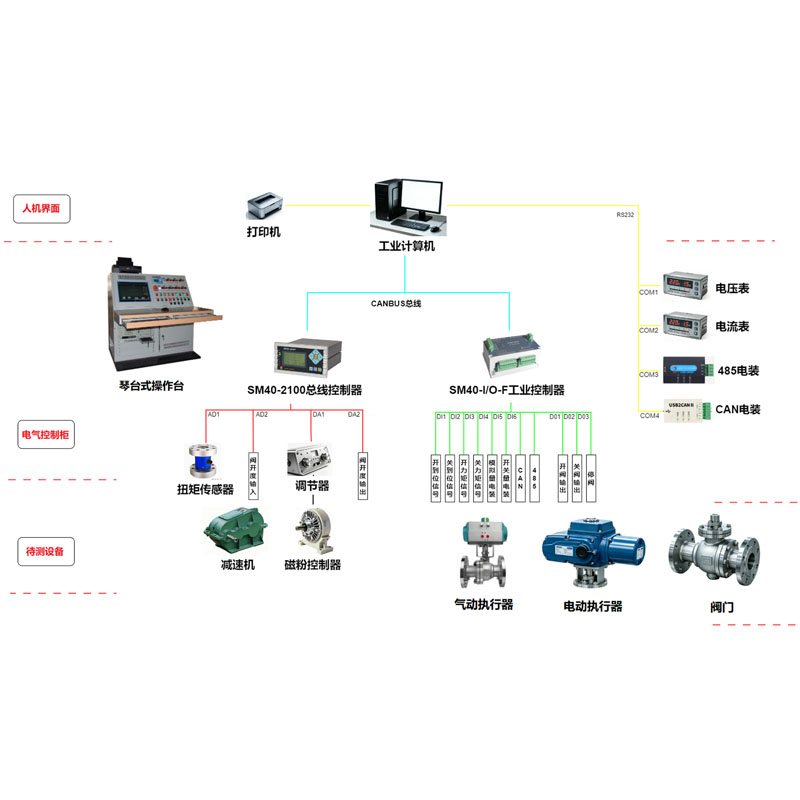
Efficiency improved. The new equipment is highly automated, with fast testing speed, allowing the same number of people and time to test more products.
Data management standards. The new equipment supports electronic data management, with reports generated automatically and easily approved by customers.
Maintenance costs are reduced. The new equipment comes with a warranty and is more reliable, eliminating the need for frequent repairs.
Increased customer trust. When customers see that your equipment is advanced and your reports are standardized, they will have greater confidence in the quality of your products.
A suggestion
Whether or not to replace equipment depends primarily on the return on investment. Calculate the cost of replacing the equipment, and then calculate how much money you can save and how much more money you can earn each year after the replacement. If you can break even in two or three years, then it's worth the replacement.
In addition, don't wait until the equipment is completely broken before replacing it. Equipment aging is a gradual process; accuracy slowly decreases and malfunctions gradually increase. You may not notice it clearly, but the data is already unreliable.
We recommend conducting a comprehensive evaluation of the equipment annually. What is the accuracy like? What is the efficiency like? Have customer requirements changed? Take all these factors into account to decide whether to continue using the existing system or replace it with a new one. We replaced our SM200 system several years ago, and we were quite hesitant about it at the time. After the replacement, we found that the efficiency improved significantly.