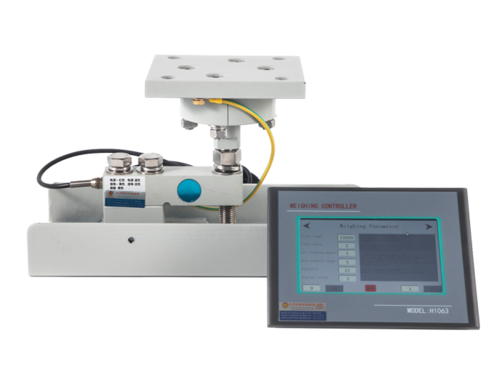



Weighing sensors are the core components of a feed tower weighing system. The appropriateness of sensor selection directly determines the equipment's metering accuracy, lifespan, and environmental adaptability. Livestock farms face complex outdoor environments with multiple interferences such as dust, rain, high and low temperatures, vibration, and corrosion. Sensors of different specifications, materials, and structures are suited to vastly different operating conditions. This article, based on Zhongke Huigan's industry experience, outlines sensor selection standards for different operating conditions.
I. Core Selection Parameters for Sensors
- Range parameters
The core principle for selecting the measuring range is to reserve a safety margin for load-bearing capacity. The calculation formula is: Single sensor measuring range ≥ (tower weight + maximum stored weight) ÷ number of support legs × 1.3. 1.3 is a safety factor to avoid sensor overload damage caused by feeding impact or wind pressure. For conventional aquaculture towers, a single sensor measuring range of 2t-5t is typically selected.
- Protection level
Outdoor open-air material towers must use sensors with an IP68 protection rating, which are dustproof, waterproof, and immersion-proof, and can withstand heavy rain, water accumulation, and dust erosion; indoor drying storage material towers can use sensors with an IP65 or higher protection rating to reduce equipment costs.
- Materials and craftsmanship
The mainstream materials for sensors are alloy steel and stainless steel: alloy steel offers high cost-effectiveness and is suitable for dry, non-corrosive conventional livestock farms; 304 stainless steel is corrosion-resistant and oxidation-resistant, making it suitable for humid livestock environments with high concentrations of acidic and alkaline gases, such as pig farms and aquatic feed storage facilities. The Zhongke Huigan SM40-LT series comes standard with a stainless steel weighing module, making it suitable for complex outdoor working conditions.
- Structure type
For dedicated sensors for material towers, boot-type weighing modules are preferred. They come with anti-deviation and anti-tipping limit structures, which can counteract the lateral forces generated by wind and material eccentricity. Their stability is superior to cantilever and column sensors, and they are more suitable for vertical material tower load-bearing modes.
II. Specific Selection Schemes for Different Working Conditions
- Conventional dry poultry farm areas (chicken farms, egg farms)
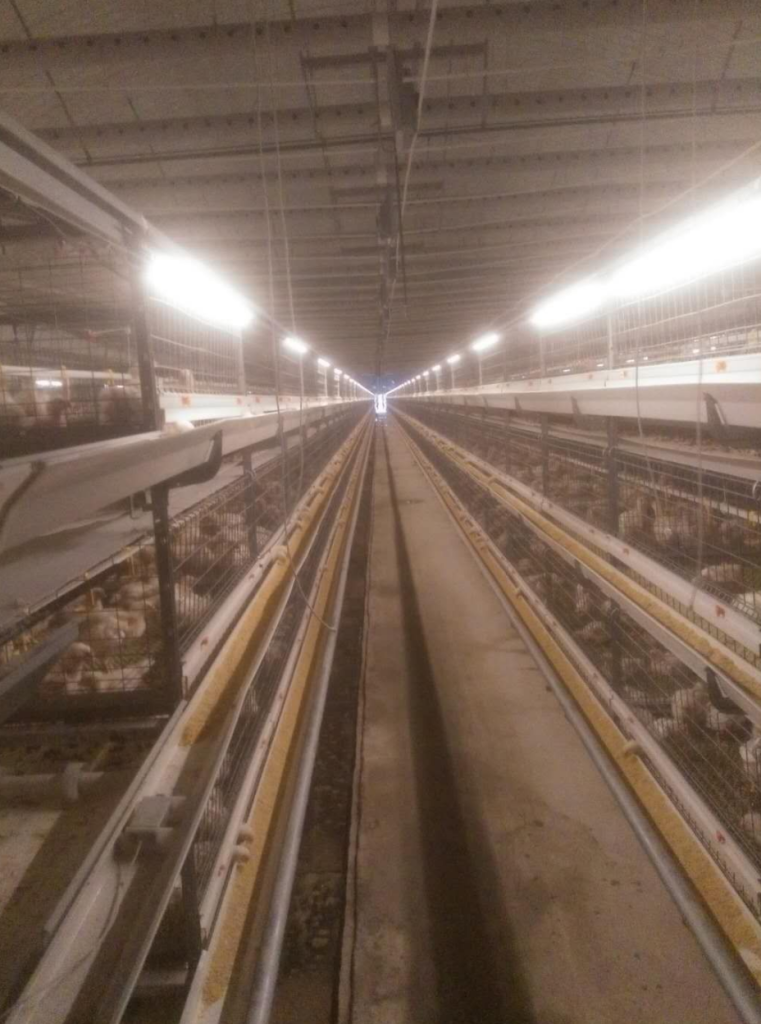
Operating conditions: Dry environment, moderate dust, no strong corrosive gases, and minimal vibration. Selection recommendation: Stainless steel shoe-type load cell, IP68 protection, 0.1 accuracy class, no additional anti-corrosion accessories required, standard installation solution meets usage requirements.
- High humidity corrosive plant area (large-scale pig farm)
Operating conditions: High humidity, high ammonia concentration, strong corrosiveness, and large temperature difference between day and night. Selection recommendation: 304 stainless steel sensor with surface anti-corrosion passivation treatment, equipped with a waterproof and sealed junction box, and a grounding anti-interference module to prevent corrosion, aging, and signal interference.
- Large-capacity storage towers (for feed processing plants and large ranches)
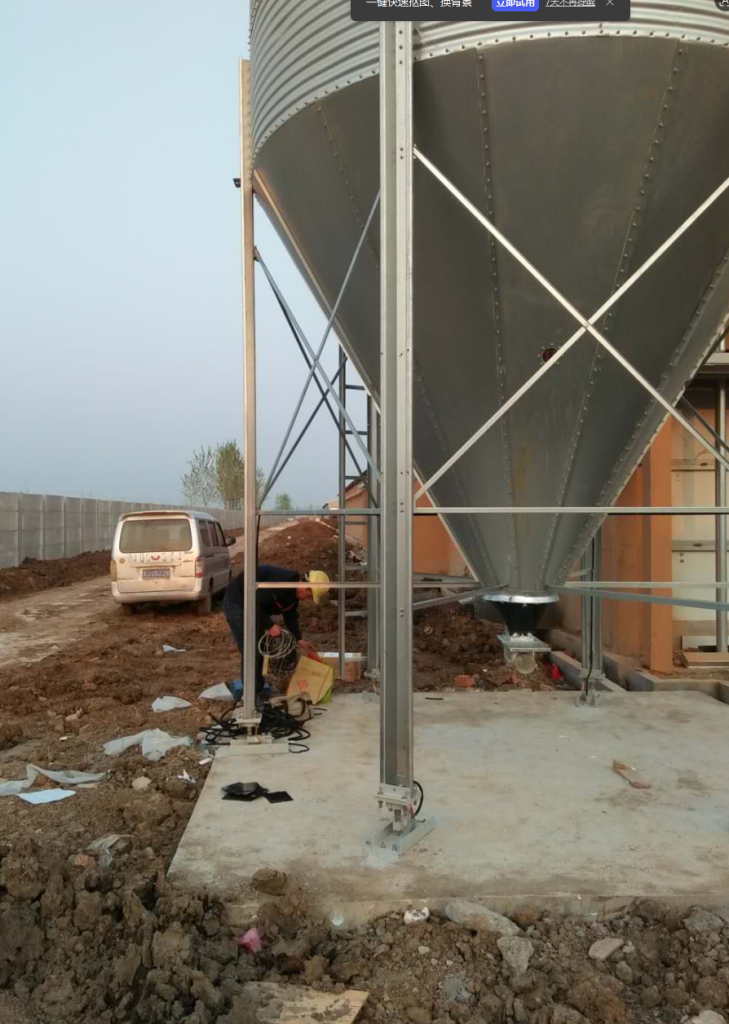
Operating characteristics: Large silo volume, high material weight, strong feeding impact, and foundation prone to slight settlement. Selection recommendations: High-load precision weighing module, with added shock-absorbing pads, optimized limit structure, and intelligent pressure stabilization algorithm to offset measurement errors caused by feeding impact and foundation settlement.
- Windy, open-air factory area
Operating conditions: Unobstructed, strong winds, tank prone to lateral swaying. Selection recommendations: Equipped with a two-way limit weighing module, reinforced mounting brackets, and increased instrument filtering level to filter data fluctuations caused by wind and ensure weighing stability.
III. Precautions for avoiding pitfalls in product selection
Do not blindly pursue a large measuring range: an excessively large measuring range will reduce the metering sensitivity, and small changes in materials cannot be accurately captured;
Reject cheap, low-protection sensors: Outdoor low-protection sensors are prone to water and dust ingress, and may experience zero drift and equipment failure in a short period of time.
Compatible accessories: The sensor needs to be used with a dedicated shielded cable and a surge protection junction box. Replacing the sensor alone may cause signal mismatch problems.
Prioritize integrated modules: Select integrated weighing modules of sensors and bases to reduce on-site modification procedures and installation errors.
IV. Summary
The selection of load cells for feed towers cannot be generalized and must be determined based on a comprehensive assessment of factors such as site humidity, corrosiveness, wind force, and the tonnage of the feed tower. Appropriate selection not only ensures measurement accuracy but also significantly extends equipment lifespan and reduces subsequent maintenance costs. For companies lacking professional selection experience, it is recommended to choose a mature, complete weighing system, such as the Zhongke Huigan SM40-LT standardized feed tower weighing solution, which is suitable for most livestock and storage conditions, requires no additional customization or modification, and balances stability and practicality.