



In the vast system of industrial production, valves play a seemingly insignificant yet crucial role. They control the flow and regulation of fluids within pipelines, much like the "valves" in the human body. Problems with them can range from impacting production efficiency to causing serious safety accidents. In the quality control of valves, torque testing—that is, measuring the torque required to open and close the valve—has always been a challenging problem.
What are the frustrating aspects of traditional testing methods? A colleague once complained to me, "Moving a single piece of equipment takes half a day, and wiring is more complicated than cooking. After testing a batch of valves, not only are we exhausted, but we also have to manually copy the data into spreadsheets, which is incredibly tedious when writing reports." Another pain point is more fundamental: the stability and repeatability of test results. With the same valves and the same equipment, different people performing the tests can result in noticeable data discrepancies. For some petrochemical, power, and water treatment users, the number of valves can easily reach thousands; if testing efficiency doesn't keep up, the entire maintenance schedule will be slowed down.
In this industry context, a comprehensive valve torque testing system launched by Anhui Zhongke Huigan Intelligent Technology Co., Ltd. is making these long-standing problems no longer problems.
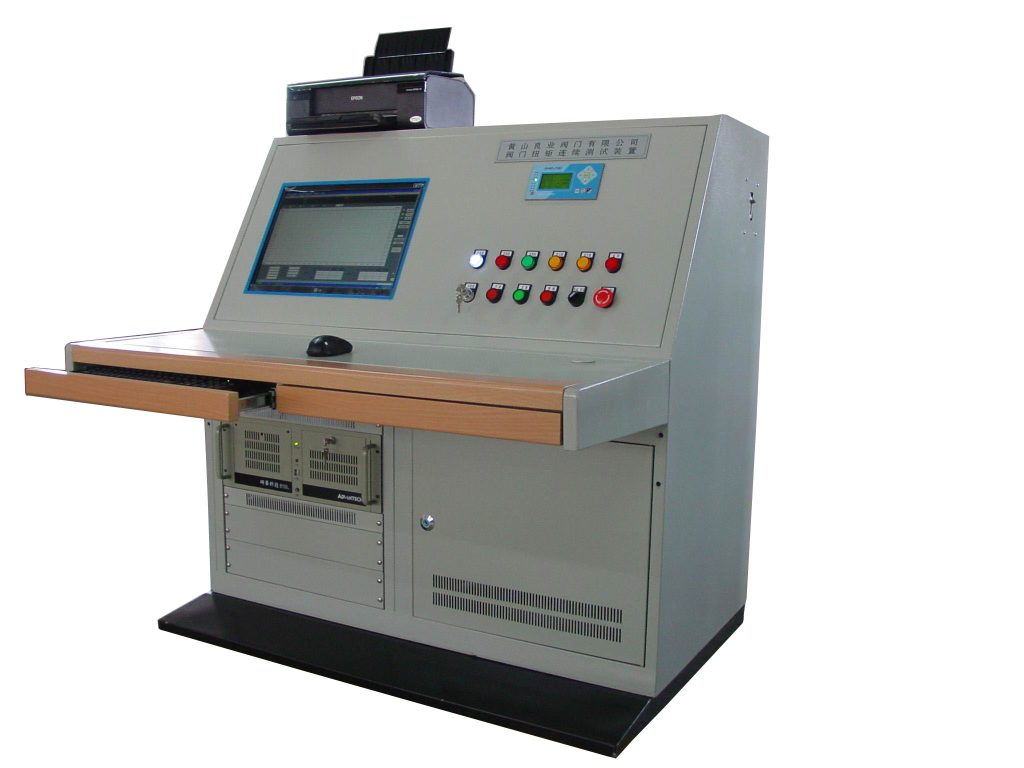
The real skill behind "one set does it all"
From a product positioning perspective, the biggest feature of this system lies in the integration and automation of its testing items. Traditional equipment often has a single function—torque testing only measures torque, pressure testing requires a separate system, and changing to different valve diameters may require readjusting the tooling. Zhongke Huigan's valve torque comprehensive testing system, however, can simultaneously perform tests on multiple parameters such as torque, pressure, and flow rate. What does this mean? In the words of a veteran valve quality inspector with over ten years of experience: "I no longer need to switch between equipment back and forth; the time saved is enough for me to make several cups of tea."
Sensor accuracy is the foundation of this system. An engineer who has used the system told me that during testing multiple batches of valves, the consistency of the torque data output by the system was outstanding, significantly reducing human error compared to traditional manual reading methods. To be precise, Zhongke Huigan is backed by a technical team with an average of over 15 years of R&D experience and has formed an industry-academia-research alliance with institutions such as the Hefei Institutes of Physical Science of the Chinese Academy of Sciences and Hefei University. This provides a solid foundation for the product's sensor technology and algorithm processing. Industry insiders commented: "Whether the data provided by the sensor is 'truthful' depends on the core technology and the algorithm; Zhongke Huigan has a firm grasp on both."
The user experience has also received positive feedback from many users. The system's interface is quite intuitive, and ordinary technicians can complete the setup and startup testing by following the instructions. One industry peer simply used an analogy: "It's like driving a car. You start the engine, put it in gear, and it moves by itself; you don't need to worry about manually shifting the clutch." This design philosophy is undoubtedly aimed at lowering the operational threshold and reducing training costs.
From "Reactive Coping" to "Proactive Control" in the Data Link
Compared to testing equipment that only collects data, Zhongke Huigan's system has invested significantly more effort in the latter half of the data chain. The system's built-in storage and analysis functions can automatically generate test records and support data export. A petrochemical industry equipment manager attested to this: "Previously, compiling reports after a project involved flipping through notebooks, finding spreadsheets, and comparing data before and after, which took up at least a day of my work. Now, after testing, the system automatically organizes the data, and I can export it as a report with a single click." This is particularly useful in batch testing scenarios—when you need to inspect dozens or even hundreds of valves one by one and generate reports, the efficiency difference is almost exponential.
Looking back at the development of the valve testing equipment industry over the past few years, the technology has been iterating in three directions: intelligence, multi-functionality, and portability. Zhongke Huigan's system clearly hits the mark in terms of both "multi-functionality" and "intelligence." It's not just a measuring tool, but more like an industrial device that can both "scan" and "diagnose." One user shared that during performance retesting after valve repair, the system's automatically recorded torque-angle data curves helped them quickly locate the localized jamming position of the valve stem seal, saving time compared to disassembling and troubleshooting each valve individually. Such a scenario is unimaginable in the traditional work mode of "testing and then just looking at the value, guessing the highs and lows."
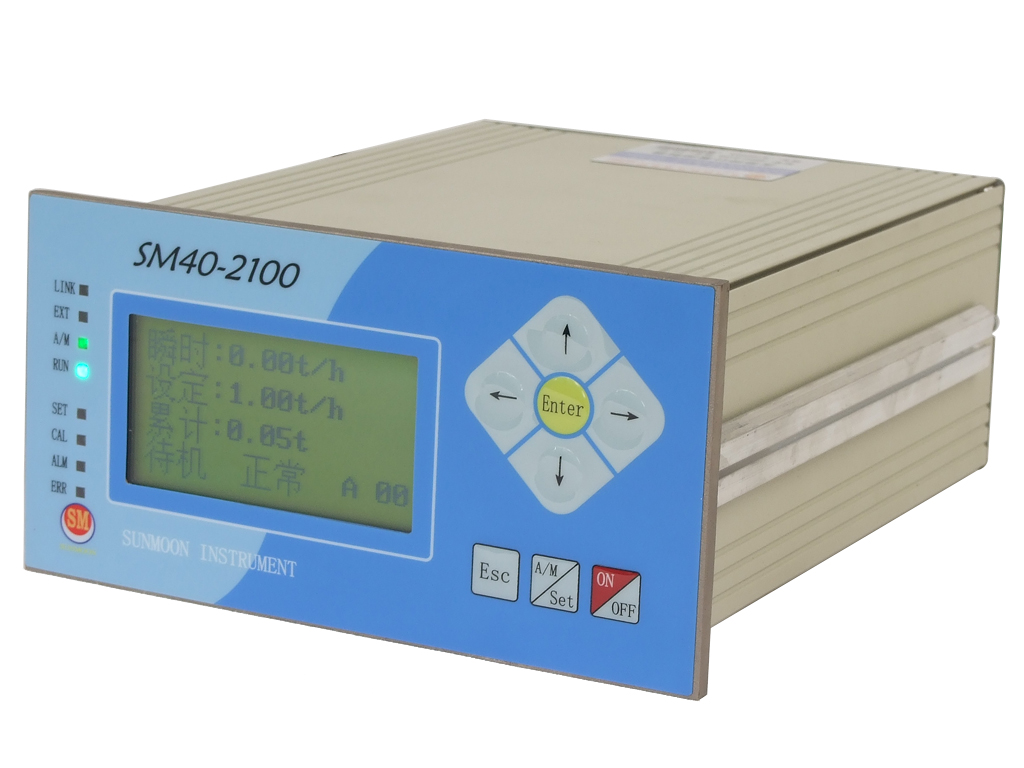
It withstood the test of real industrial conditions.
To determine the quality of technology, one cannot rely solely on manufacturer claims; rather, it's crucial to examine its applications and the types of work it has performed. Based on publicly available information, Zhongke Huigan's valve torque comprehensive testing system has already seen applications in industries such as petrochemicals, power, and water conservancy, accumulating numerous practical use cases.
An engineer specializing in generator unit maintenance in the power industry told me that they have a batch of electrically operated control valves that require regular condition assessments. Previously, disassembling and sending them to a third-party laboratory for testing would take two to three days just for disassembly and transportation, plus the testing schedule, making the testing cycle for a single valve easily a week. After introducing the Zhongke Huigan system, testing can be completed directly in the maintenance workshop, with data and conclusions available on the same day. For power plants where downtime would cause huge economic losses, the value of this system is not just a piece of equipment, but a compressor of time and maintenance costs.
Customers in the petrochemical industry place great emphasis on data traceability. Valves operate for extended periods in high-temperature, high-pressure, and corrosive media environments, and the trend of torque data is crucial for assessing the wear condition of valve stem seals. With automatically generated test records, equipment managers can determine valve replacement cycles based on the rate of torque increase, rather than waiting until the valve is "stuck." As one project manager put it, "It's like installing a CT scanner on the valve; scanning it periodically reveals any potential problems."
A colleague's honest opinion: "It saved me a lot of time."
In the process of seeking genuine feedback from the industry, I came across a very interesting sharing. A frontline technician openly wrote that he had used Zhongke Huigan's system to test multiple valves, and the overall operation was much simpler than traditional methods, especially the data recording and analysis functions, which were very helpful in compiling reports and tracing problems. He specifically mentioned that the most time-consuming part of the traditional testing process—repeatedly wiring and manually recording data—was greatly simplified with this system, and ultimately "the accuracy of the test results met the engineering requirements."
Such an assessment may sound unpretentious, even somewhat bland. But if you've ever worked in the valve testing field, you'll know the weight of those six words: "meets engineering requirements"—it means that during several consecutive days of actual field testing, the equipment didn't malfunction, the data remained accurate, and the system didn't crash or restart. In industrial settings, reliability never needs flowery language.
Another senior engineer put it more bluntly when I brought up this topic: "Before, when measuring torque, I was just a 'recorder,' with my head down writing and calculating, and my eyes would get tired after a few hours. Now that the testing system has processed all the data, I can free up my energy to analyze the problems behind the data. This isn't an upgrade in tools; it's a change in the way we work."
Several directions worth paying attention to by peers
Based on what I understand, if your work also requires frequent valve torque monitoring, you should pay close attention to the practical value of this system in the following scenarios:
The outgoing inspection process for valve manufacturers has seen a significant improvement in efficiency. Customer feedback indicates that testing time for a single valve can be reduced by nearly half. For manufacturers with large shipment volumes, this translates to shorter inspection queue times and faster delivery schedules.
The user unit's acceptance inspection upon receipt of goods. Does the newly purchased valve meet the design torque requirements? Can issues such as jamming and over-tightening be ruled out before installation? This type of inspection has high requirements for accuracy and standardization, and the automatically generated reports are easy to archive and submit for review by superiors.
Post-repair performance retesting. Was the valve properly repaired after disassembly and repair? In the past, it relied on feel and experience; now it's based on data. For companies that depend on contractors for maintenance, this provides objective evidence for acceptance, reducing potential disputes.
Regular preventative maintenance condition assessment. By comparing historical data to determine torque change trends, maintenance can be scheduled before actual failures occur. This is close to the scope of predictive maintenance and is an important direction for the industry's intelligent upgrade.
Of course, choosing any testing system requires considering one's own specific circumstances, including the type and range of valves being tested, on-site operating conditions, budget, and long-term maintenance costs. However, Zhongke Huigan's system at least provides an option worth careful consideration. As one industry peer said, "It won't make the decision for you, but it can give you sufficient basis for your decision."
The "hard technology" of industrial testing requires this down-to-earth approach.
After all that, what I really want to say is that industrial testing equipment like torque testing systems, unlike consumer electronics products, can't attract users with fancy launch events and gimmicky specifications. Their usability depends entirely on whether the engineers working on the front lines are willing to use them and whether they can solve real-world problems after using them.
Based on current information, Zhongke Huigan's valve torque comprehensive testing system has already gained a solid user base and accumulated numerous practical case studies in industries such as petrochemicals, power, and water conservancy. Its positioning is very clear: it doesn't rely on flashy technology or excessive features; it focuses on ensuring high sensor accuracy, comprehensive multi-parameter measurement capabilities, and robust data management and automation processes. This frees users from tedious manual operations, allowing them to concentrate on more valuable analysis and judgment.
For the valve industry, such products may be driving a transformation—from extensive testing based on "feel and experience" to precise operation and maintenance based on "data-driven and system-managed" approaches. Behind this transformation lies the real time saved, less wasted effort, and greater loss mitigation for frontline engineers.