



-
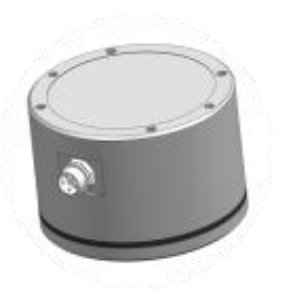
When purchasing multi-dimensional force sensors, experienced engineers always keep an eye on these three "hidden parameters".
In automated production line upgrades or robot integration projects, procuring multi-dimensional force sensors is often a headache. As the party responsible for technology selection or equipment procurement, you may frequently face this dilemma: the parameters in the supplier's manual look impressive, with excellent specifications for nonlinearity, hysteresis, and repeatability, but after installation on-site, the data either drifts or cannot withstand interference...
2026.06.03learn more -
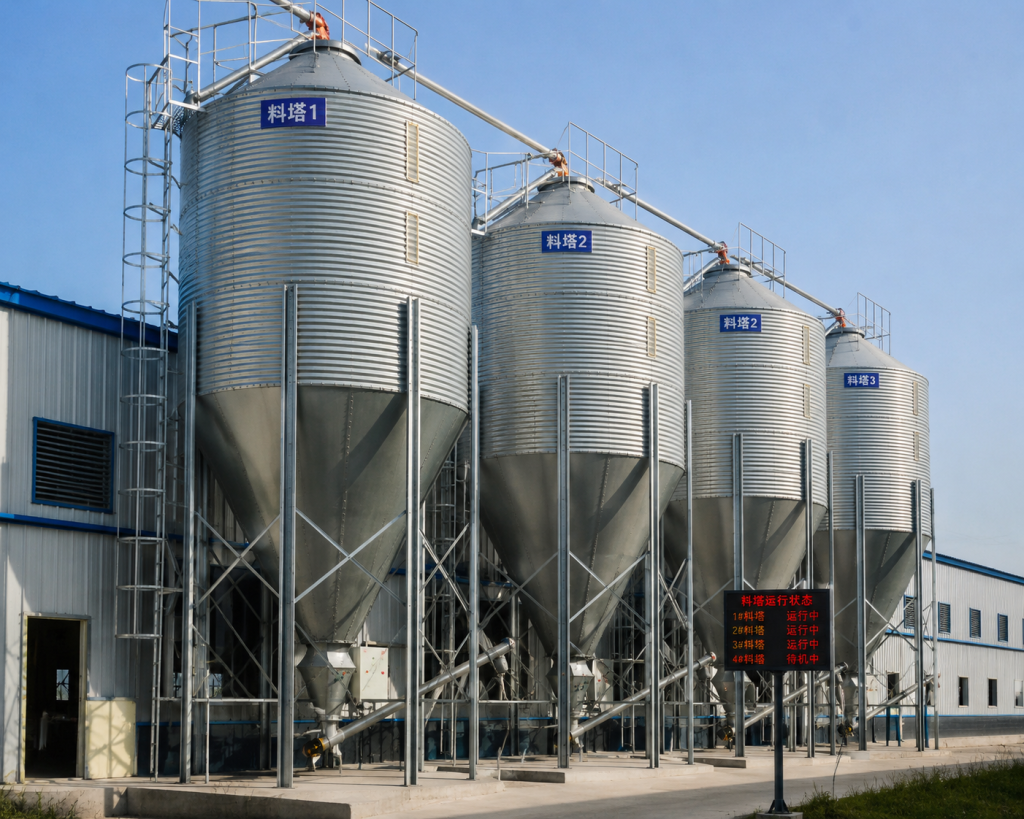
Will alternating periods of no load and full load on the silo affect the accuracy of the weighing equipment?
In daily livestock management, feed towers frequently undergo emptying and reloading, sometimes empty and sometimes full. This repeated change in load leads many farmers to a common question: will such frequent load switching damage the weighing equipment, causing a gradual decrease in accuracy? This is actually a common misconception in the industry. Indeed, regarding...
2026.06.02learn more -
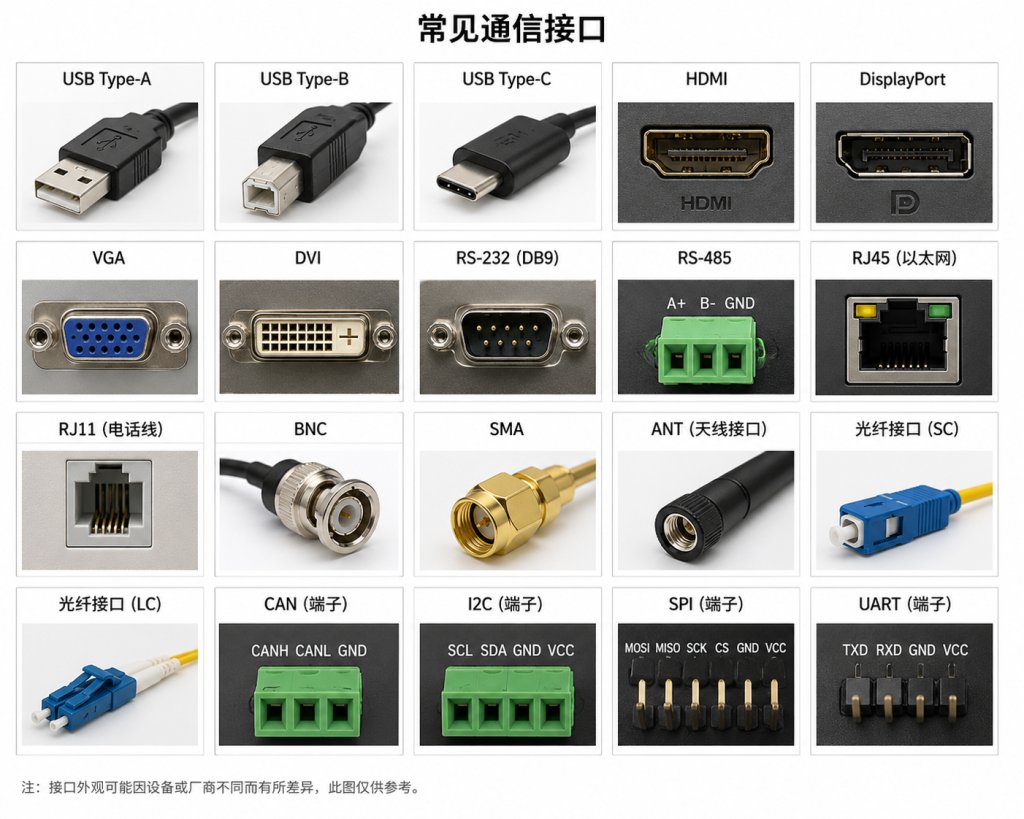
How do industrial devices "chat"? Let's talk about some common communication interfaces.
In a factory, weighing instruments, controllers, and PLCs not only need to perform their individual tasks but also exchange data. How do they "communicate" with each other? Through communication interfaces. Different interfaces have different strengths. Just like some people prefer making phone calls while others prefer sending WeChat messages, each has its own use. RS485: A veteran and powerful choice, RS485 is the longest-used interface in industry...
2026.06.02learn more -
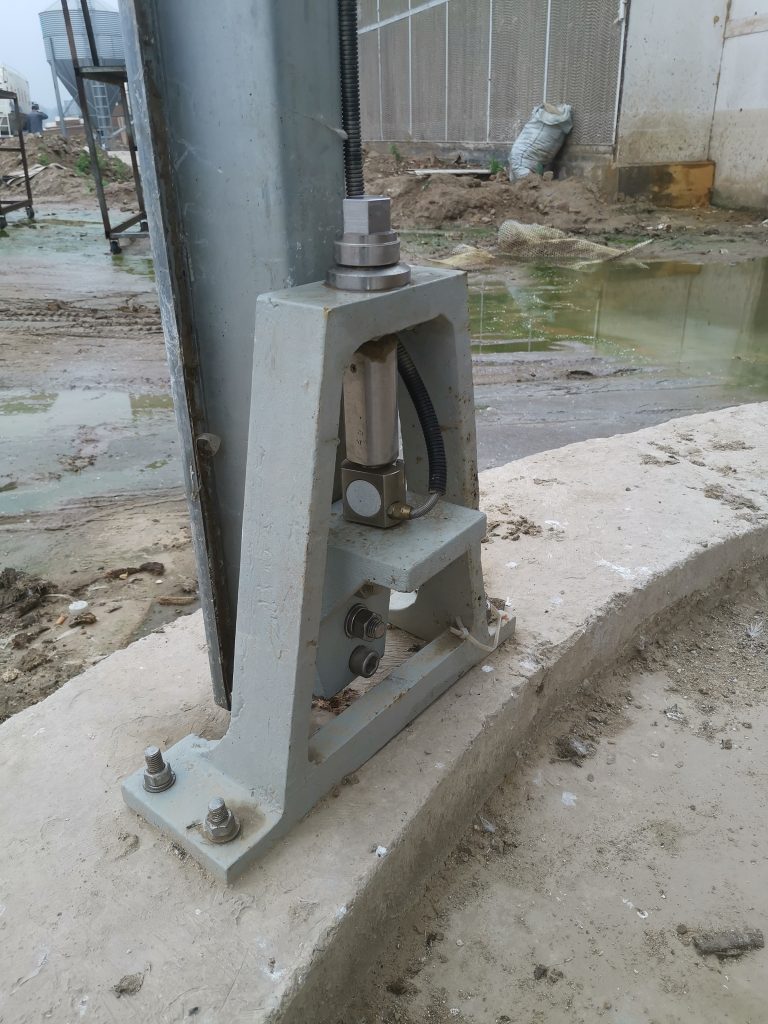
Avoid common pitfalls when selecting a weighing tower! Let's discuss some key points for choosing a weighing tower.
The market for feed tower weighing equipment is growing rapidly, with a wide variety of brands, models, and prices. Many farmers, when making their first purchase, are easily misled by complex parameters and low prices, ending up with equipment that is unsuitable for their site, lacks stability, and causes frequent problems later on, ultimately increasing costs. Based on years of frontline application experience, and setting aside marketing rhetoric, I will objectively share some insights on feed tower weighing equipment...
2026.06.01learn more -
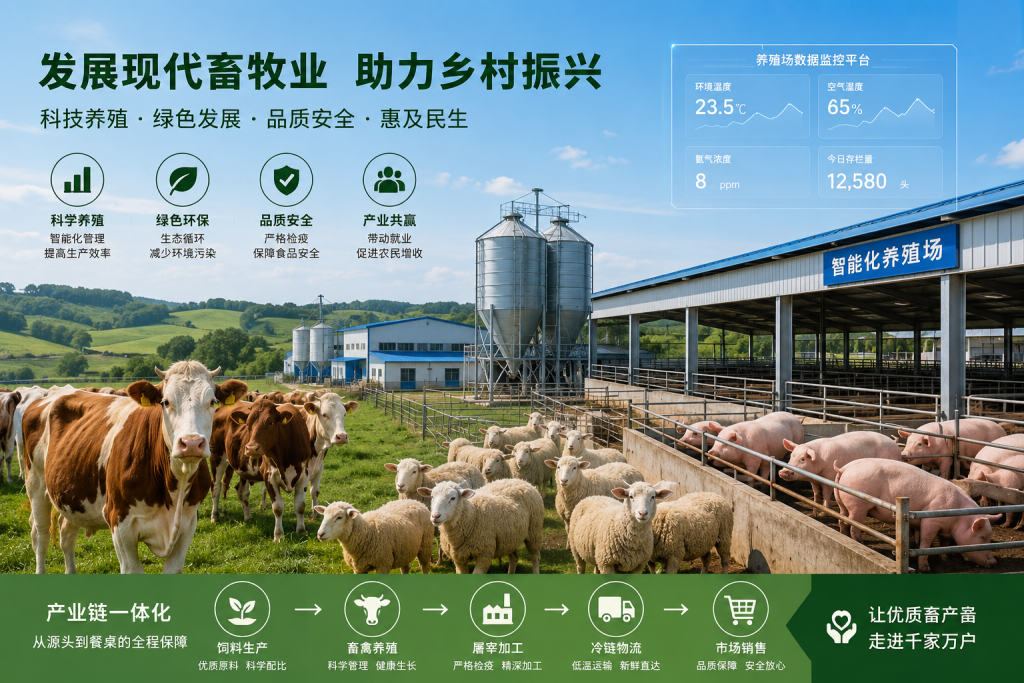
A Deep Dive into the Trend of Intelligentization in the Livestock Industry: Technology Reshaping the Future Landscape of Traditional Farming
In today's global digital revolution, intelligentization is no longer exclusive to the industrial or internet sectors. The livestock industry, a traditional sector spanning thousands of years, is undergoing an unprecedented technological revolution. From relying on experience to relying on data, from extensive to intensive methods, the trend towards intelligentization is profoundly reshaping every aspect of the livestock industry. So, what exactly is this transformation...?
2026.06.01learn more -
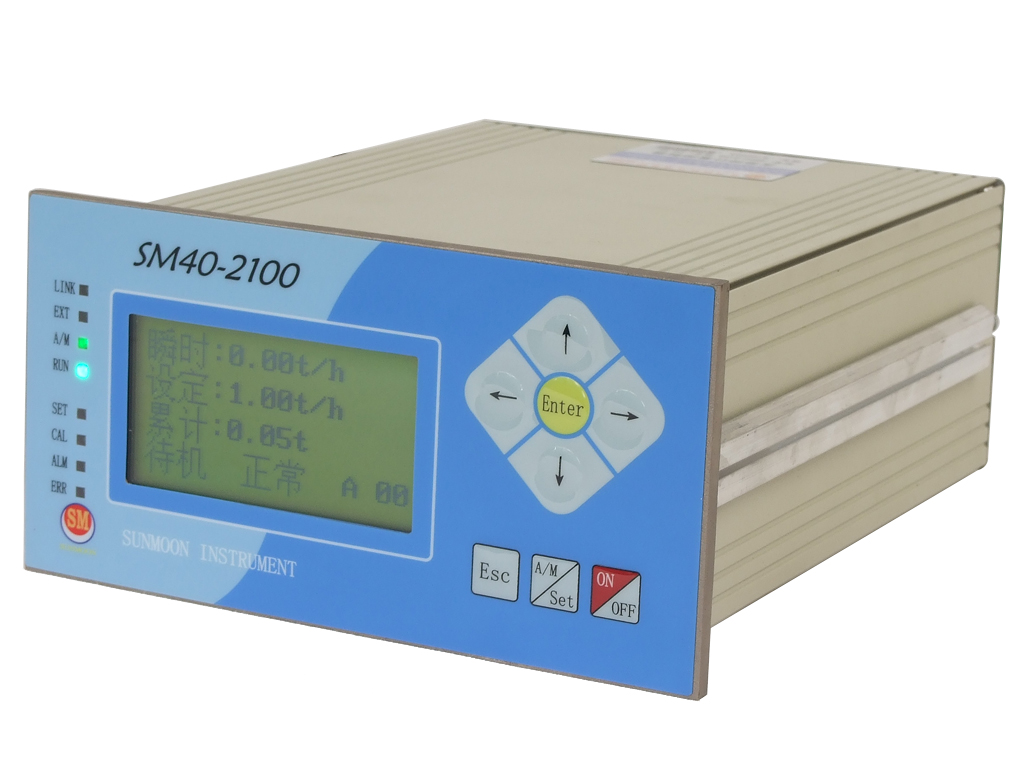
Several details that are easily overlooked in valve torque testing
Several Easily Overlooked Details in Valve Torque Testing Having worked in valve testing for many years, I've found that while torque testing seems like a routine operation, several details are easily overlooked in practice. Properly handling these details can significantly improve the reliability of test results. Detail 1: Pre-Test Status Confirmation Many testing errors are actually not...
2026.05.29learn more -
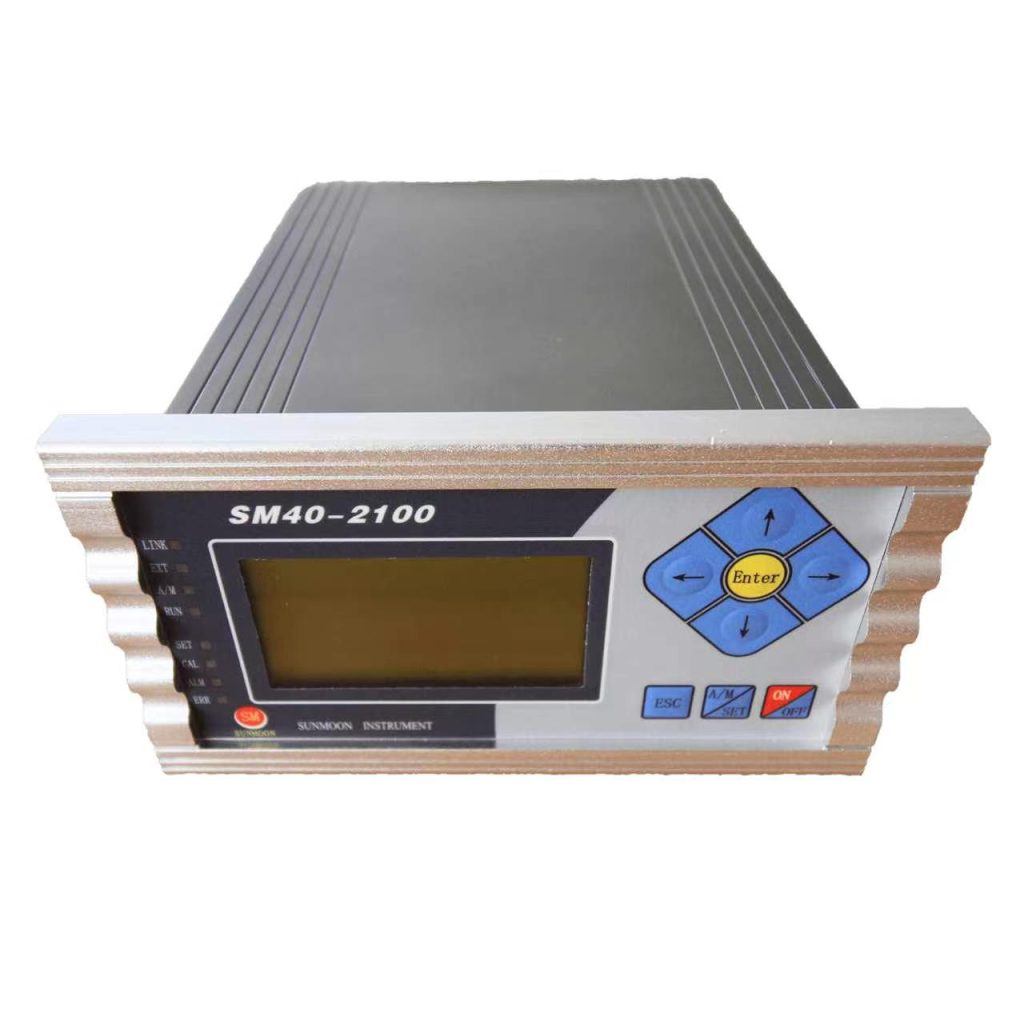
Valve torque testing: Why can't we just look at a single "pass" number?
I'm Lao Zhou, and I've been working in valve testing for over ten years. Today I want to talk about a phenomenon: many factories measure torque and only record the maximum value. They mark "√" for pass and "×" for fail. It seems simple and efficient, but it actually misses a lot of information. A real incident happened last year when we inspected a batch of ball valves for a valve factory. The factory inspection report showed that the torque was all within acceptable limits. But after the customer installed them...
2026.05.28learn more -
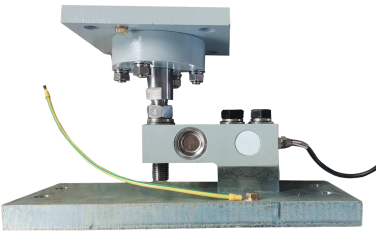
Routine maintenance and troubleshooting of weighing tower systems
After equipment is put into use, the quality of maintenance directly determines its lifespan and measurement accuracy. A properly maintained weighing system can easily operate stably for more than five years; conversely, even with appropriate equipment selection, various problems may arise within a year. This article outlines key considerations for practical operation from the perspectives of daily maintenance and troubleshooting. I. Daily...
2026.05.28learn more -
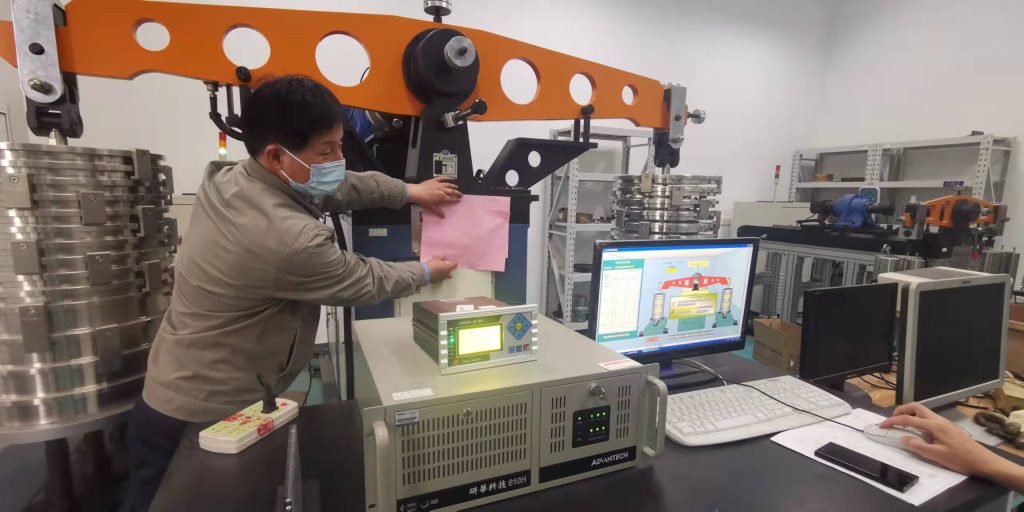
Valve torque test: To judge the quality of a valve, observe how difficult it is to turn it.
Let me ask you a question first: If you can't turn the faucet on your home or turn it off properly, don't you find it annoying? Actually, in industry, those huge valves are similar. However, if they can't be turned on or closed properly, the consequences are far more serious than just a leak; they could leak high-pressure steam, toxic chemicals, or even cause a major accident. So, how do you determine...?
2026.05.27learn more